Puerto Rico Marine Life: Conserve, Preserve & Protect Our Coastal Ecosystems
Puerto Rico marine life thrives where land meets the Puerto Rico ocean, but it also feels every footprint, fin kick, and warming tide. This guide breaks down the Puerto Rico ecosystem you explore on our tours, the sea habitats that keep reefs and beaches alive, and how you can help protect marine life in Puerto Rico, starting today.
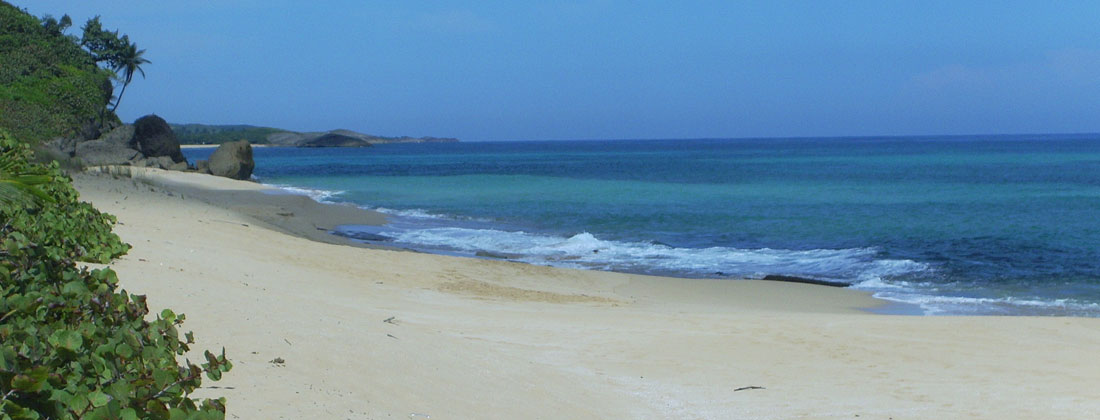
Coastal & Marine Ecosystems That Power Puerto Rico Sea Life
Puerto Rico holds many ecosystems, but five are especially vital to sea life in Puerto Rico: sandy beaches, seagrass beds, mangrove forests, coral reefs, and rocky shores. Each one works like a link in a living chain. When one weakens, the whole shoreline loses resilience.
Sandy Beaches: More Than a Pretty Stretch of Sand
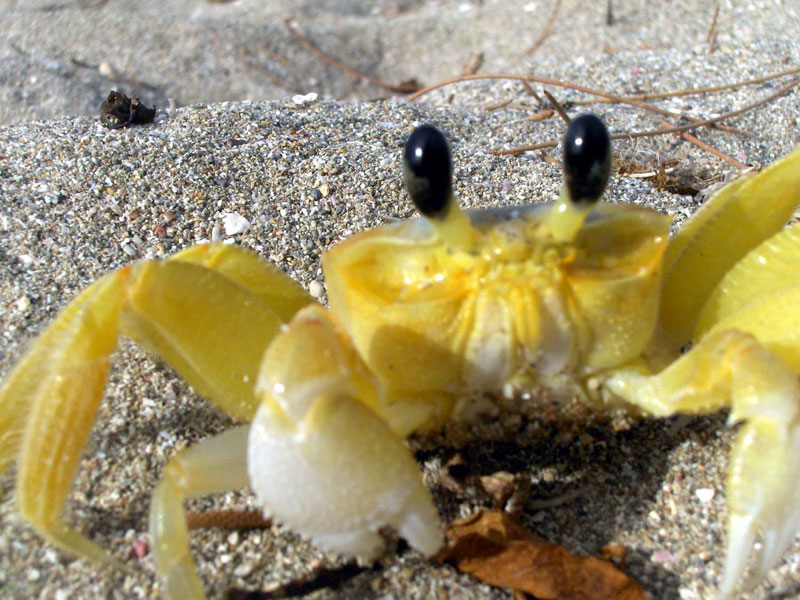
Sandy beaches are often the most accessible habitat for visitors and one of the most misunderstood. Dunes on many north-coast beaches act like natural storm buffers, reducing erosion and helping protect inland areas during heavy surf and hurricanes. Dunes also create micro-habitats where plants stabilize sand and small animals shelter.
Look closely, and you may spot sea animals in Puerto Rico that depend on beach zones for survival, including ghost crabs, hermit crabs, and nesting sea turtles (during nesting seasons and protected areas).
How you help (fast, real impact):
- Walk on marked paths to avoid crushing dune plants and hatchling corridors.
- Keep lights low at night near nesting beaches (bright light disorients hatchlings).
- Pack out everything—micro-trash becomes microplastic.
Seagrass Beds: The Underwater Nursery
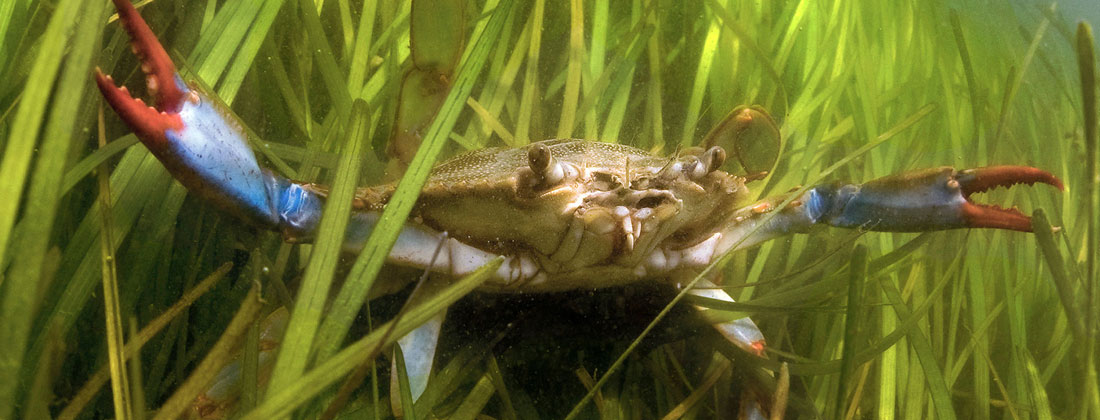
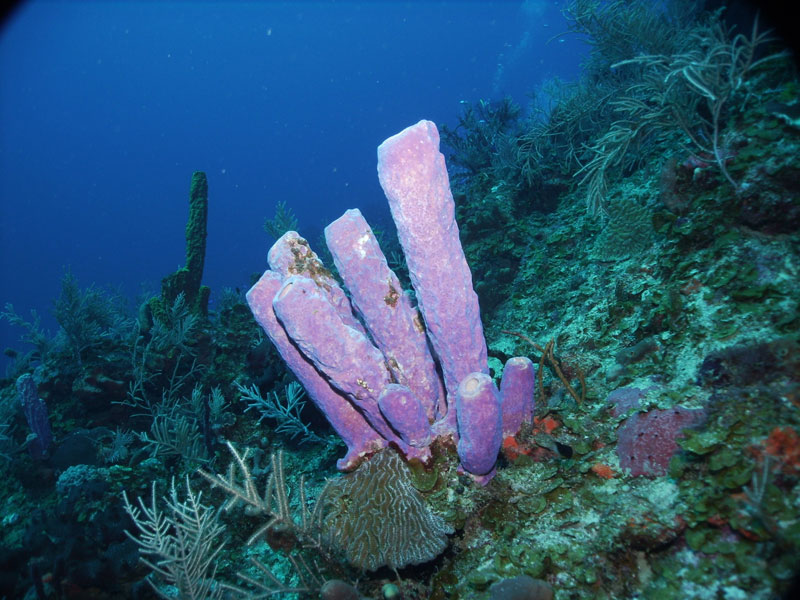 Seagrasses are flowering plants (not seaweed) that root into sandy or muddy seafloors in sunlit waters. In Puerto Rico, common species include turtle grass (Thalassia testudinum) and manatee grass (Syringodium filiforme), including extensive meadows along the southern coast. Seagrass beds feed and shelter juvenile fish and invertebrates, making them a true engine of Puerto Rico’s sea life.
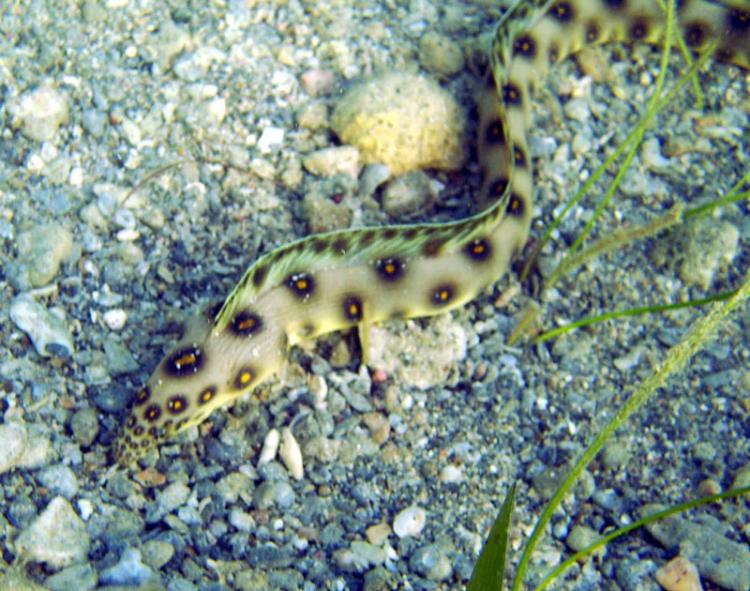
They also protect coral reefs by trapping sediment and improving water clarity—less sediment means healthier corals and better snorkeling visibility.
You’ll often find in seagrass habitat:
- juvenile snappers and grunts
- conch and lobsters
- sea stars, urchins, and sea cucumbers
- grazing turtles and, in some areas, manatees
Mangrove Forests: “Roots of the Sea”
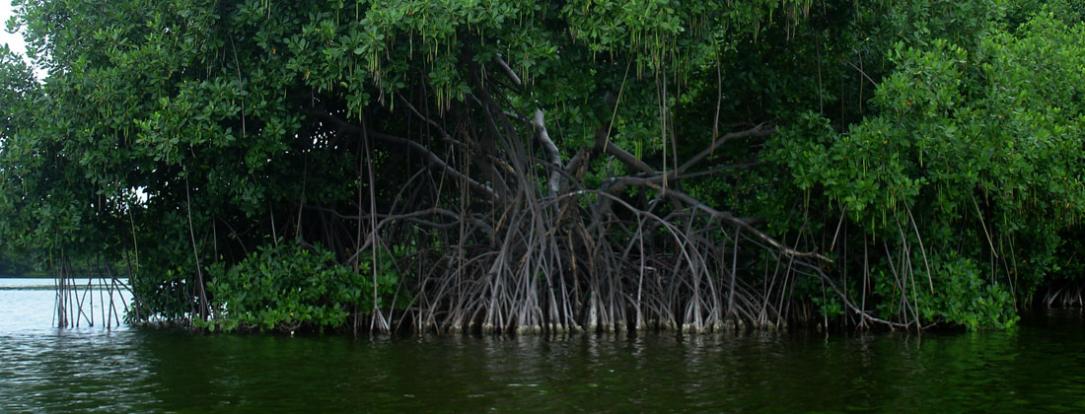
Mangroves stabilize coastlines, reduce storm surge energy, and create one of the most productive nurseries in the tropics. Puerto Rico’s mangroves provide a layered habitat: birds nest above, crabs and mollusks move through roots at the edge, and juvenile fish hide in the submerged maze.
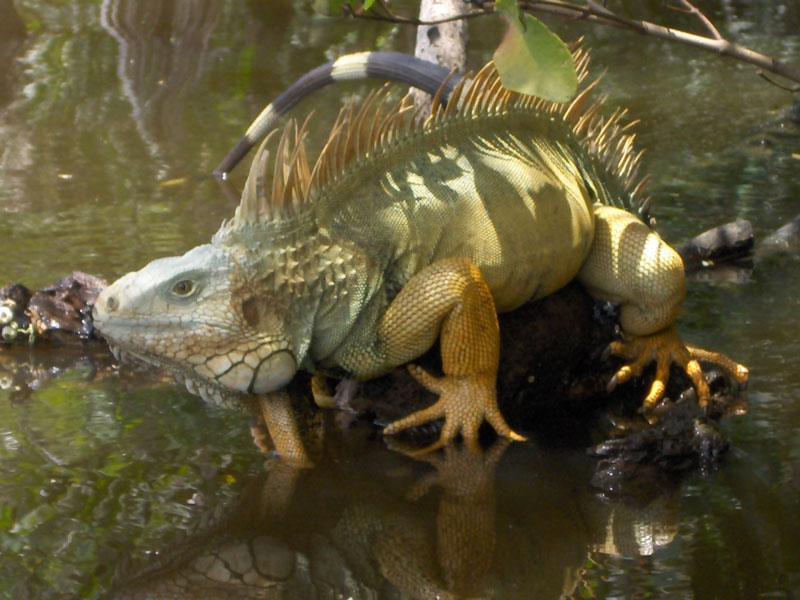
These trees aren’t only beautiful; mangroves are infrastructure built by nature.
Coral Reefs: Cities of Biodiversity Under Pressure
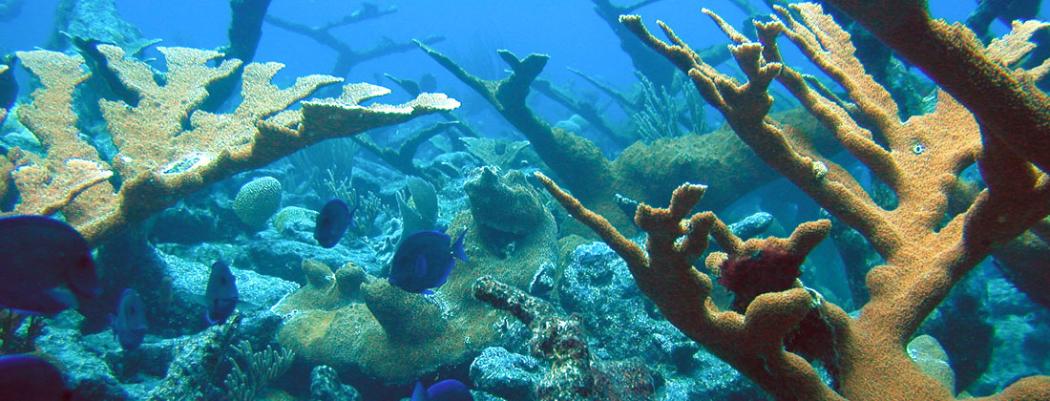
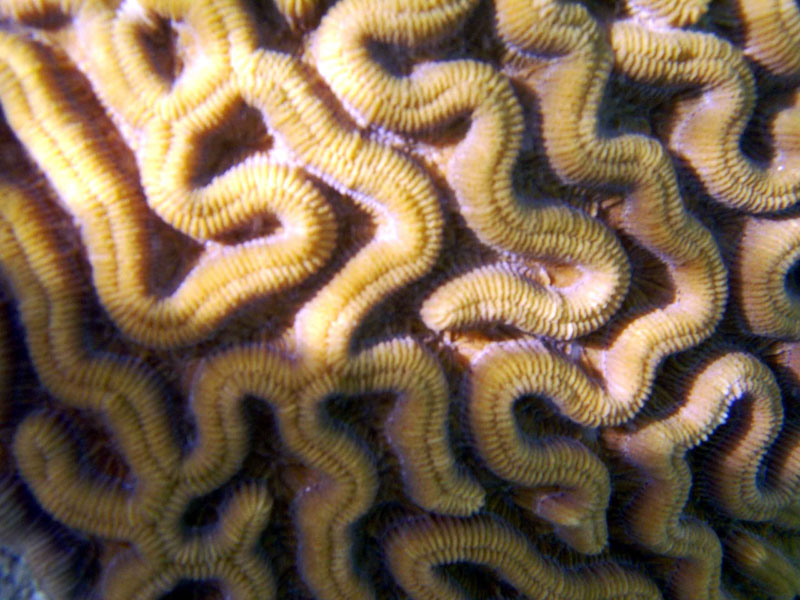 Coral reefs build habitat the way rainforests build canopy—by creating structure that thousands of species rely on. Reef-building corals live in partnership with symbiotic algae; when water temperatures rise beyond their comfort zone, corals can bleach (they expel algae), weakening the entire reef community. NOAA (National Oceanic and Atmospheric Administration) notes reef-building corals do best around 23°C–29°C, and even about a 1°C rise can trigger bleaching stress.

Puerto Rico also tracks reef health through long-running monitoring, including a coral reef monitoring program active since 1999.
Rocky Shores: Tough Habitat, Serious Biodiversity
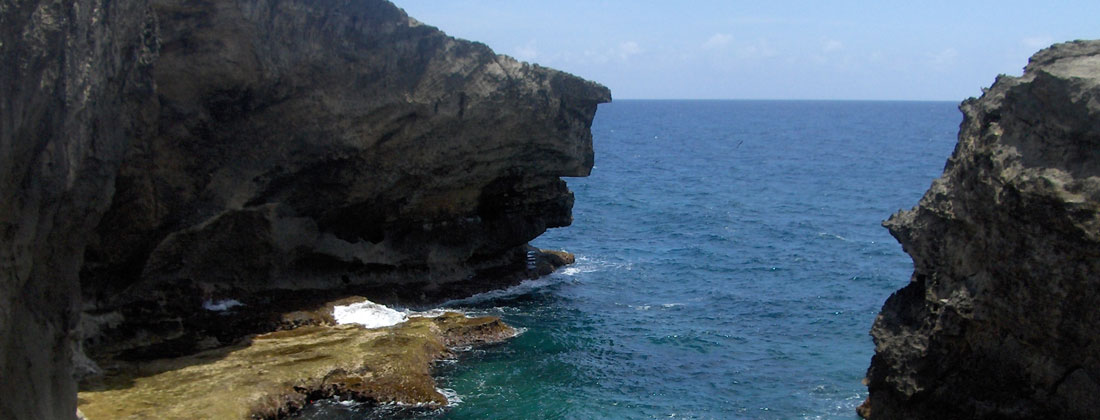
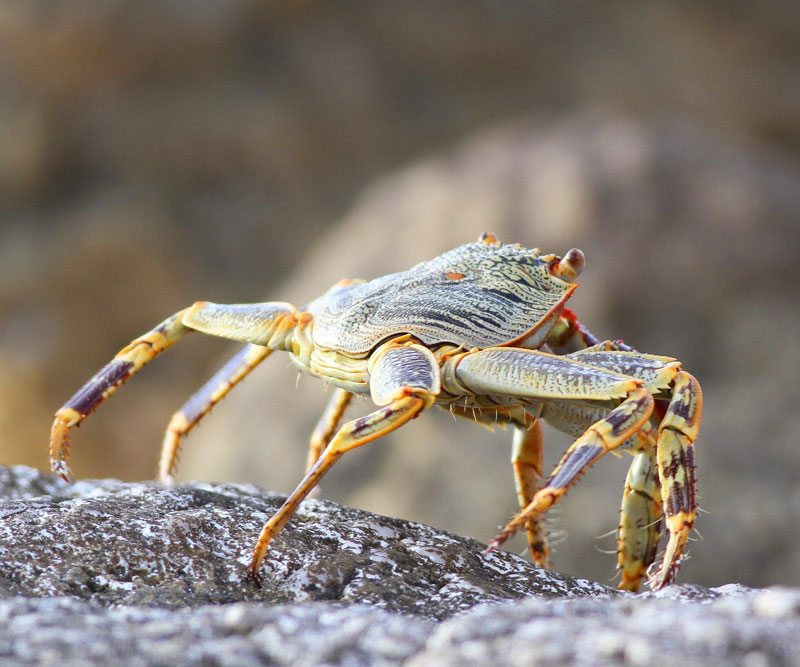
Rocky coasts take constant wave impact, which creates tide pools, crevices, and wave-swept zones where hardy life thrives. On rocky shores, you may see snails, barnacles, anemones, algae, and other organisms adapted to rapid changes in temperature, salinity, and exposure.
Help Us Fight the Lionfish
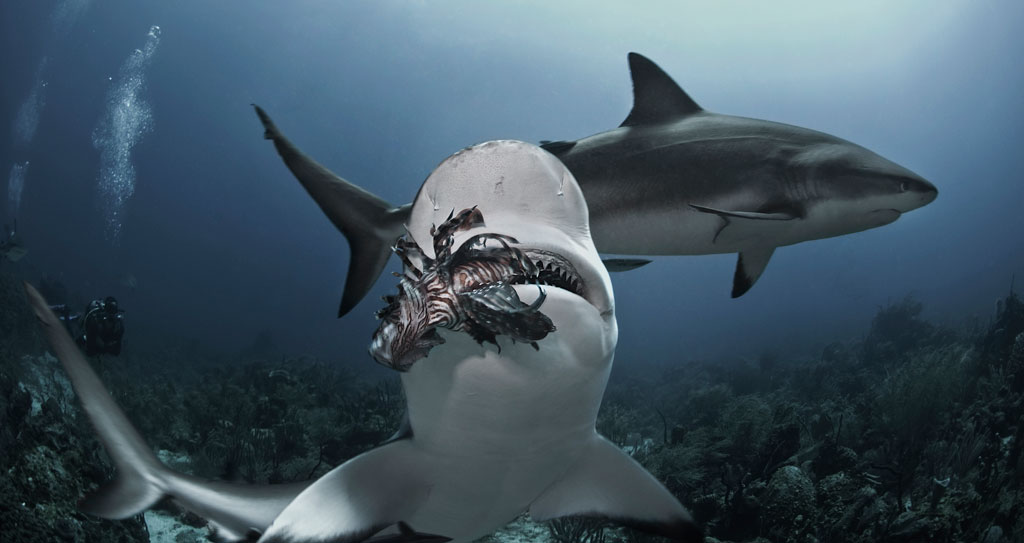
Lionfish (Pterois volitans and P. miles) are invasive predators in the Caribbean that eat native reef fish and disrupt reef balance. Peer-reviewed studies in the Bahamas found lionfish reduced native reef-fish recruitment by ~79% on experimental patch reefs and coincided with ~65% declines in prey-fish biomass on surveyed reefs.
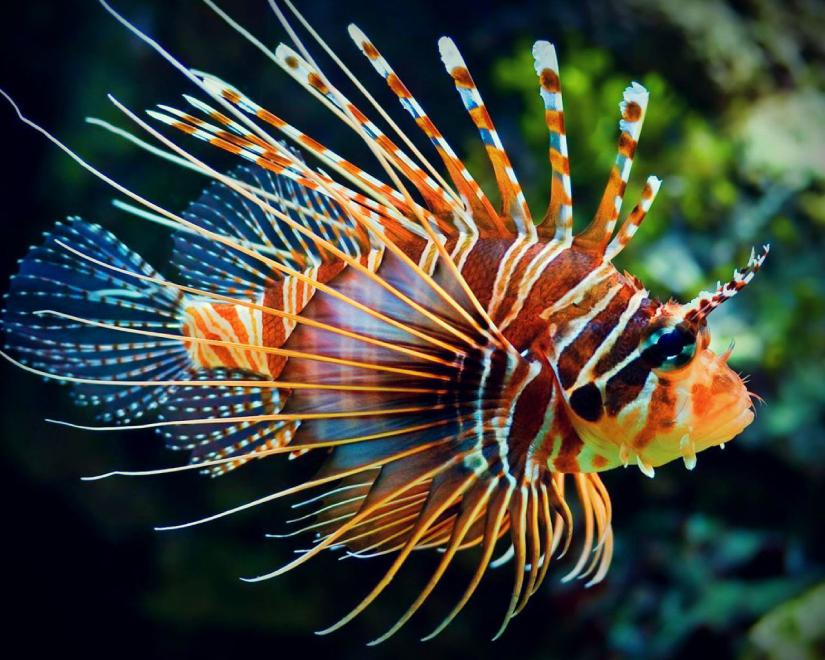 They reproduce efficiently; documented spawns can release tens of thousands of eggs in a single event.
What you can do (the safe, responsible way):
- Report sightings to local environmental or marine resource agencies.
- Join or support organized removals with trained professionals (don’t freestyle with spears).
- Choose operators who practice reef-safe diving and actively support conservation.
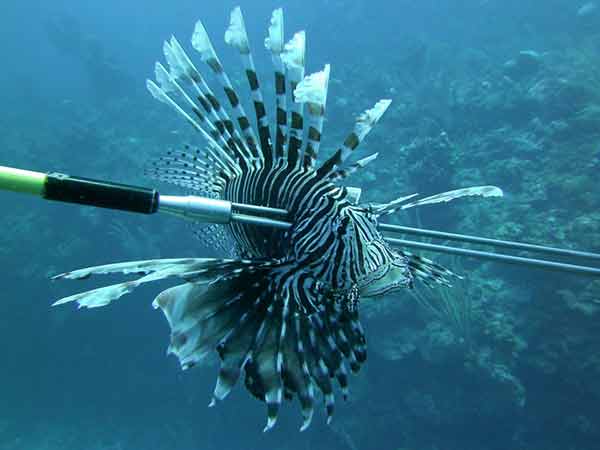
Lionfish Safety
Lionfish have venomous spines that can cause painful stings. Initial first aid commonly includes non-scalding hot water immersion and prompt medical evaluation, especially if symptoms worsen.
Explore Puerto Rico Marine Life—And Leave It Stronger
Puerto Rico marine life isn’t a backdrop; it’s a living system that protects our coasts and fuels unforgettable days on the water. When you snorkel, kayak, or dive with care, you protect the very places you came to experience. If you’re ready to meet the best of Puerto Rico’s marine life up close—without loving it to death—book a guided eco-adventure and let’s do it the right way.