TL;DR: Heading to Puerto Rico for sun, snorkeling, and bioluminescent bays? Here’s the good news: the Puerto Rico travel requirements for U.S. citizens are about as simple as catching a flight to Florida—no passport, no customs line, no currency exchange. International visitors follow the same rules as entering any U.S. state.
- U.S. citizens and permanent residents do not need a passport to fly to Puerto Rico from the mainland
- A REAL ID-compliant driver’s license (or U.S. passport) is required for domestic air travel as of May 7, 2025
- International travelers need the same passport and visa documents required to enter the United States
- Puerto Rico uses the U.S. dollar, U.S. cell plans, and the U.S. Postal Service
- The best months to visit fall between December and April, with shoulder-season magic in May and November
If you’ve been dreaming of warm Caribbean water, lush rainforest hikes, and snorkel days where rays and sea turtles glide past your fins, you’re already halfway here.
As marine biologists who’ve spent more than a decade guiding visitors through our island’s reefs, kayaking lagoons, and hidden beaches, we get this question a lot from soon-to-be Pure Adventurers: what paperwork do I actually need?
Let’s clear it up. Below you’ll find everything to know before traveling to Puerto Rico, broken down by traveler type, so you can stop scrolling forums and start packing your snorkel!
Puerto Rico Travel Requirements for U.S. Citizens
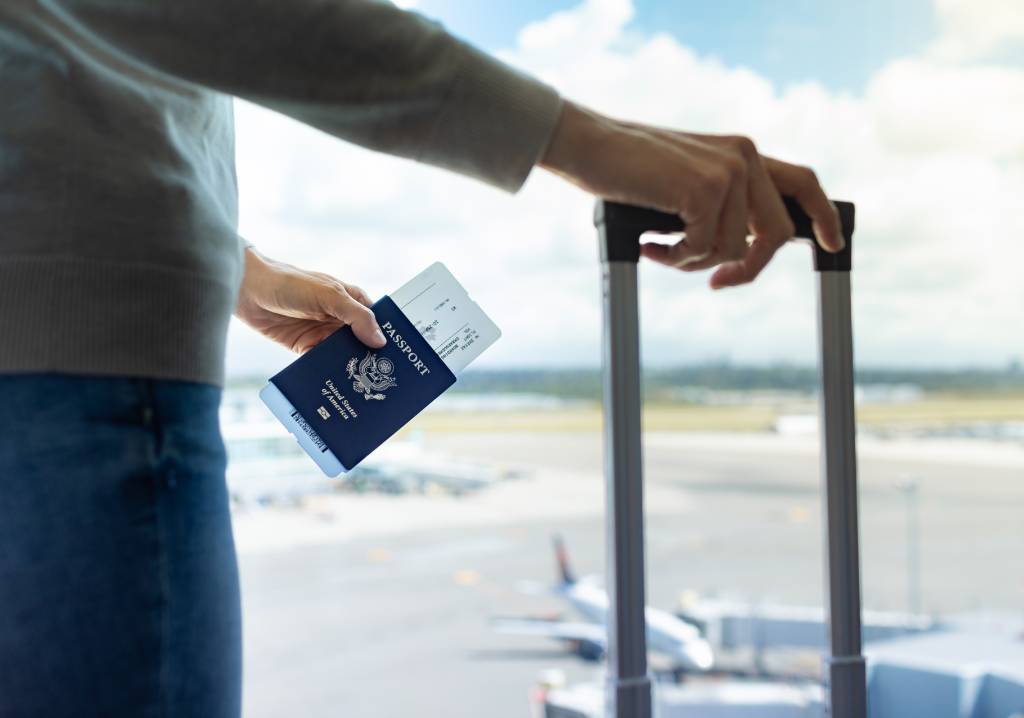
Here’s the short version: Puerto Rico is a U.S. territory, so for American citizens, flying here is considered domestic travel. That means no customs forms or border control, and no specific Puerto Rico passport requirements. In other words, you can hop a plane from Newark or Miami the same way you’d hop a plane to San Diego.
What you do need is a valid government-issued photo ID that satisfies TSA requirements.
As of May 7, 2025, that ID must be REAL ID-compliant (look for the gold or black star in the upper corner of your driver’s license). If your license doesn’t have one, you’ll either need to upgrade it through your state DMV before flying or bring your U.S. passport as a backup. A U.S. passport always works.
Children under 18 traveling with a parent or guardian don’t need ID for domestic flights, but it’s smart to bring a birth certificate or school ID, especially if you and your child have different last names.
Traveling to Puerto Rico Requirements for International Visitors
For visitors from outside the United States, the Puerto Rico entry requirements are identical to entering any U.S. state. That means:
- A valid passport with at least six months of validity beyond your trip dates
- A U.S. visa (typically a B1/B2 tourist visa) or an approved ESTA if you’re from a Visa Waiver Program country
- Proof of onward or return travel
- Sufficient funds for your stay
Once you’ve cleared U.S. Customs and Border Protection at your port of entry, you’re free to move between the mainland and Puerto Rico without additional checks. Travelers connecting through another country on the way home from Puerto Rico will need their passport for that segment, so don’t leave it in the hotel safe.
What to Know Before Traveling to Puerto Rico
Beyond the paperwork, a few practical things make your trip smoother from the moment you land at Luis Muñoz Marín International Airport:
- Currency. The U.S. dollar is the local currency. No exchange needed.
- Language. Spanish and English are both official languages. You’ll get by comfortably with English in tourist areas, but learning a few Spanish phrases earns you smiles… and sometimes a better table!
- Driving. Your U.S. driver’s license works. Traffic flows on the right, distances post in kilometers, and speed limits in miles per hour (yes, really).
- Electricity. Same outlets, same voltage as the mainland. Leave the travel adapter at home.
- Agricultural rules. Heading back to the mainland? The USDA inspects luggage for fresh fruit, plants, and soil. Eat the mango on the beach, don’t pack it.
- Weather. Tropical and warm year-round, averaging the mid-80s°F. Hurricane season runs June through November, with peak activity in August and September.
Pure Adventure Tip: Plan Around the Reef, Not Just the Resort
The Puerto Rico requirements for entry are the easy part. The harder part is choosing what to do once you arrive.
Our recommendation, after years of guiding small groups through Vieques, Culebra, and the Fajardo Keys: build your itinerary around the water.
Time your snorkel days for early mornings when the Caribbean is calmest, save the bio bay kayak for a moonless night, and leave at least one afternoon completely unplanned. Some of the best discoveries happen when you wander.
Frequently Asked Questions About Puerto Rico Travel Requirements
What do U.S. citizens need to travel to Puerto Rico?
U.S. citizens need a valid government-issued photo ID (a REAL ID-compliant driver’s license or a U.S. passport). That’s it. No visa, no customs declaration, no special permits. Flying to Puerto Rico is treated exactly like a domestic flight to any other U.S. state.
Can a U.S. citizen be denied entry back into the USA?
No. U.S. citizens have a constitutional right to enter the United States and cannot be denied entry, including when returning from Puerto Rico to the mainland. However, as part of entry requirements, Puerto Rico Customs and Border Protection personnel may inspect your luggage, ask questions, or temporarily delay you if there are issues with declared items (especially agricultural products). Be honest at inspection points and you’ll be on your way quickly.
Can I use my US phone plan in Puerto Rico?
Yes, and this is one of the easiest perks. There are no specific Puerto Rico travel requirements with major U.S. carriers like Verizon, AT&T, and T-Mobile, as they treat Puerto Rico as domestic coverage with no roaming fees. Your plan works the same as it does at home: calls, texts, and data included. It’s a good idea to confirm with your provider before flying, just in case your specific plan has fine print.
What is the best time of year to visit Puerto Rico?
The sweet spot runs December through April, when rainfall is lowest, humidity is mild, and the sea is at its clearest for snorkeling and kayaking. Crowds and prices peak around the winter holidays, so for the best balance of weather, value, and quiet beaches, aim for May or November (the shoulder months we call “the locals’ favorite season”).
Ready to Turn Travel Requirements Into Travel Stories?
You understand the ins and outs of Puerto Rico travel requirements. You’ve got the paperwork sorted. Now let’s get you in the water. At Pure Adventure, we run small-group, marine-biologist-founded tours across Puerto Rico’s most extraordinary coastlines: bioluminescent kayak nights in Laguna Grande, snorkel cruises to Culebra and Vieques, and private charters built around what you want to see.
With almost two decades guiding Pure Adventurers from around the world, Carlos, Yolanda, and our team know exactly which reefs are glowing, which beaches are quiet, and which moments will stay with you long after the tan fades. Book an excursion in Puerto Rico now.Your story begins the moment you step into the water!