TL;DR: Puerto Rico means “rich port,” but your understanding of the island should also include its Taíno name Borikén and the influence of Indigenous people alongside Spanish colonizers and enslaved Africans.
- Puerto Rico translates from Spanish to “rich port.”
- Christopher Columbus first named the island San Juan Bautista. Puerto Rico originally referred to the port city before the names were switched.
- The Taíno called the island Borikén, which roughly means “Land of the Valiant Lord” or “Land of the Brave People.”
- The term Boricua comes from Borikén and remains a common expression of Puerto Rican identity.
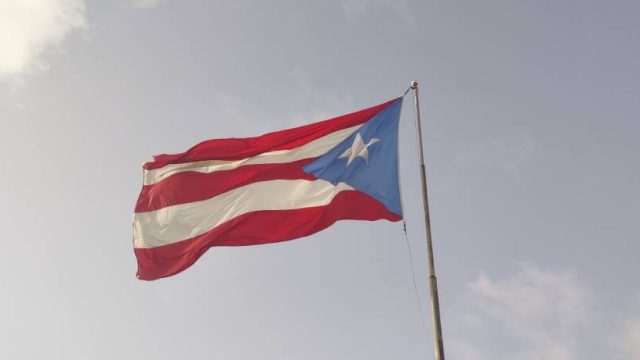
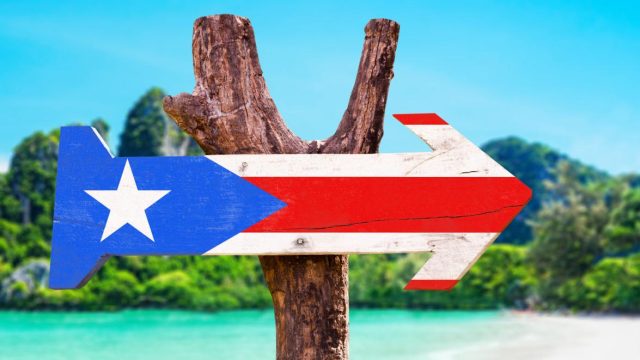
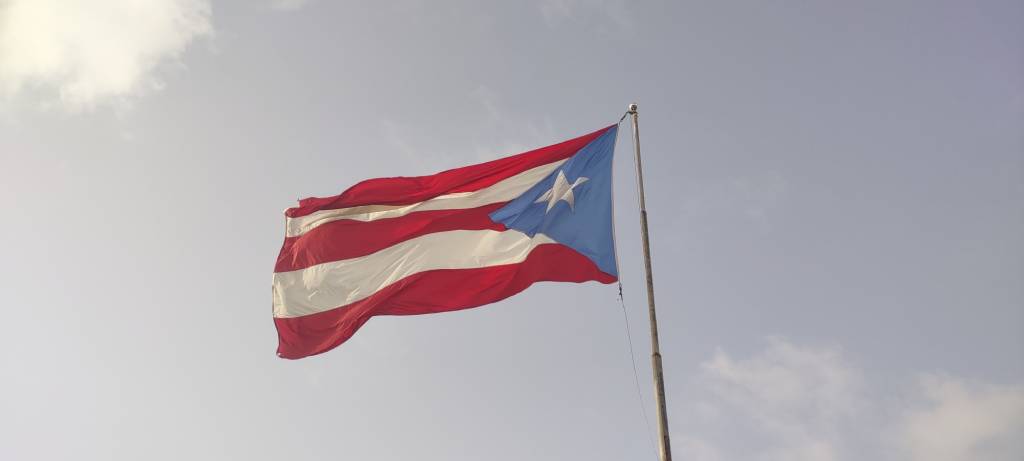
- The Puerto Rican flag represents the island through its white star. Its stripes and triangle symbolize sacrifice alongside liberty and the surrounding waters.
You’ve booked your flight, packed your reef-safe sunscreen, and started daydreaming about glowing water and hidden caves — but you still can’t quite answer a question your friends keep asking: what does Puerto Rico mean, anyway?
That gap between excitement and understanding is common among first-time visitors, and closing it makes your trip richer. Knowing the story behind the island’s name gives context to everything you’ll see, from colonial forts to the karst topography (a limestone landscape shaped by underground rivers) that hides some of the Caribbean’s most unusual ecosystems.
What Does Puerto Rico Mean in Spanish?
The English meaning of Puerto Rico is straightforward: “rich port.” Spanish colonizers gave the island this name in the early 1500s after noticing gold in its rivers and recognizing the strategic value of its harbors. The meaning of Puerto Rico wasn’t tied to the land’s natural beauty or its people — it described an economic opportunity the Spanish crown wanted to protect and exploit.
Interestingly, “Puerto Rico” wasn’t the island’s first Spanish name. Christopher Columbus originally called it San Juan Bautista, honoring Saint John the Baptist. Over time, sailors and settlers began using “Puerto Rico” to describe the port city that would eventually become the capital, and the name migrated to describe the entire island. San Juan, in a twist of naming history, ended up as the city’s title instead.
The Island’s Original Name: Borikén and Taíno Roots
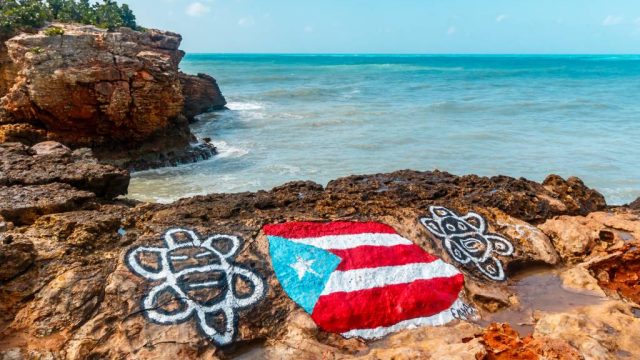
Before Spanish ships ever reached its shores, the island already had a name given by the people who lived there. The Taíno, an Indigenous group with deep knowledge of the region’s fragile ecosystems (habitats sensitive to disruption from human activity or environmental change), called their home Borikén, sometimes spelled Borinquen. The name translates roughly to “Land of the Valiant Lord” or “Land of the Brave People.”
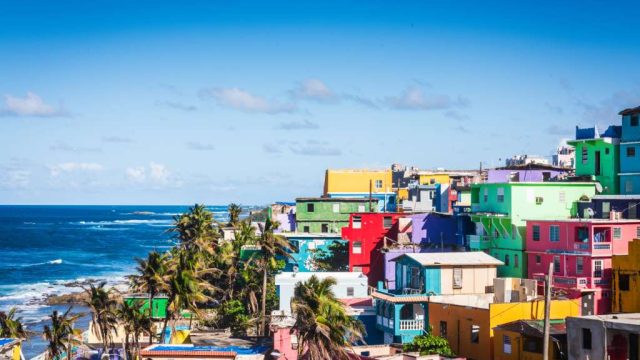
You’ll still hear this heritage today. Puerto Ricans often refer to themselves as Boricua, a term that traces directly back to Borikén. When you visit towns like Utuado or Caguas, you’re standing in places that kept their Taíno names even after centuries of colonization. Understanding this layered history helps you see Puerto Rico as more than a Spanish invention — it’s a place with an identity that predates European contact by thousands of years.
Puerto Rico Flag Meaning: Colors with Deep Symbolism
If you want a visual shortcut to the island’s story, look at its flag. The Puerto Rico flag meaning ties directly into the island’s political and cultural evolution. Five horizontal stripes alternate between red and white, with a blue triangle and a single white star anchored on the hoist side.
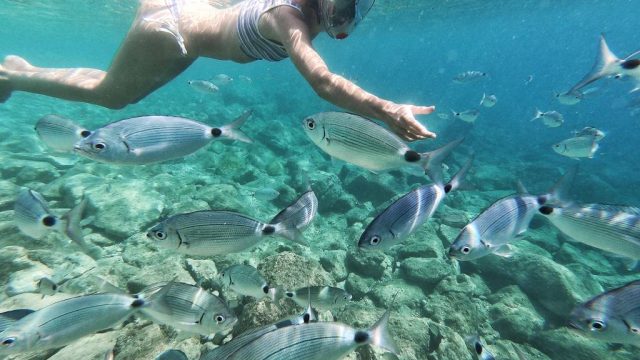
The Puerto Rico flag colors’ meaning breaks down like this: the red stripes represent the blood shed by revolutionaries who fought for independence from Spain, the white stripes stand for liberty and victory, and the blue triangle symbolizes the sky and the coastal waters surrounding the island — the same waters you’ll snorkel through on a reef tour. The white star represents the island itself, a single point of identity within the broader Caribbean.
Originally designed in 1895 by Puerto Rican exiles in New York who supported independence, the flag has outlived multiple political shifts. Its colors once ran a darker navy blue before a 1952 update lightened the shade to match the flag’s official status under the Commonwealth government. Today, you’ll see the flag everywhere — beach towels, murals, boat hulls — a constant reminder of how seriously Puerto Ricans hold onto their identity.
A Blended Cultural Identity Forged Over Centuries
Puerto Rico meaning isn’t limited to a dictionary definition or a flag’s color palette. It’s also a story of three cultures colliding and merging. Taíno communities contributed language, food, and knowledge of the land.
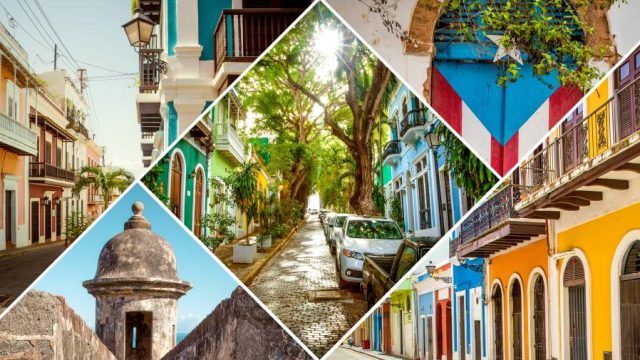
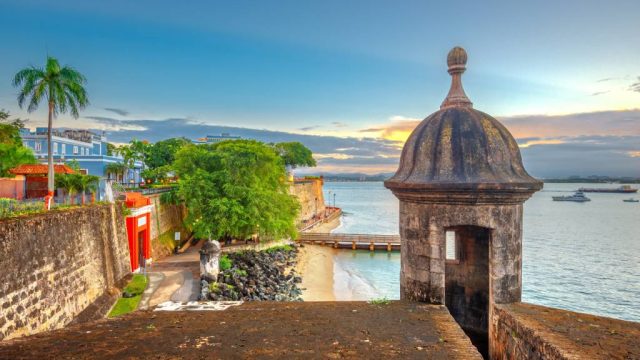
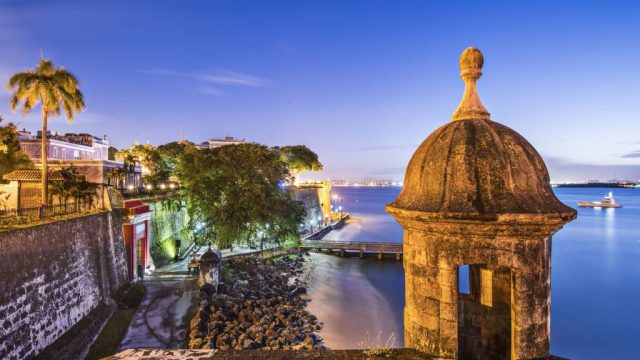
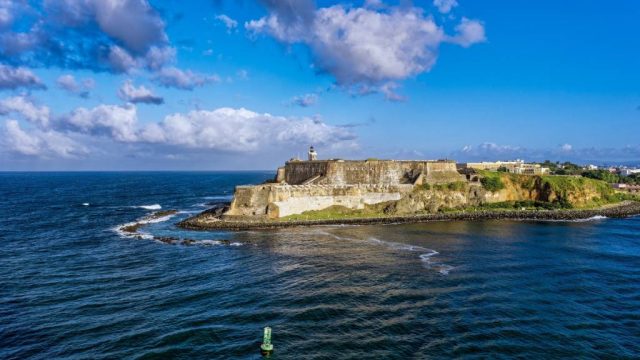
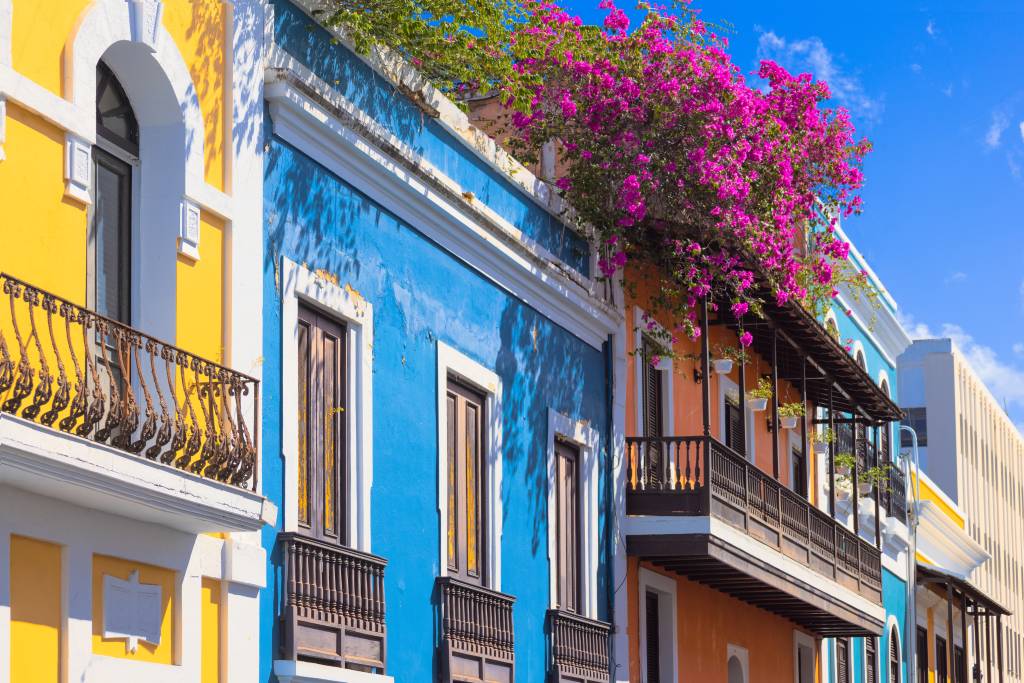
Spanish colonizers brought their language, religion, and architecture, much of which still stands in Old San Juan’s stone walls. Enslaved Africans, forcibly brought to work sugar and coffee plantations, added music, spirituality, and culinary traditions that remain central to Puerto Rican life today.
This blending shows up in everyday details you’ll notice as you travel — in the rhythms of bomba and plena music, in dishes like mofongo, and in festivals that mix Catholic tradition with African drumming.
You’re not just visiting a tropical destination; you’re stepping into a living record of resilience and cultural fusion that took five centuries to shape. Ask any islander and you’ll find the meaning of Puerto Rican goes beyond a place of birth — it’s a shared identity rooted in that same three-way heritage, carried with visible pride wherever you travel across the island.
Why Does the Meaning of Puerto Rico Matter on Your Adventure?
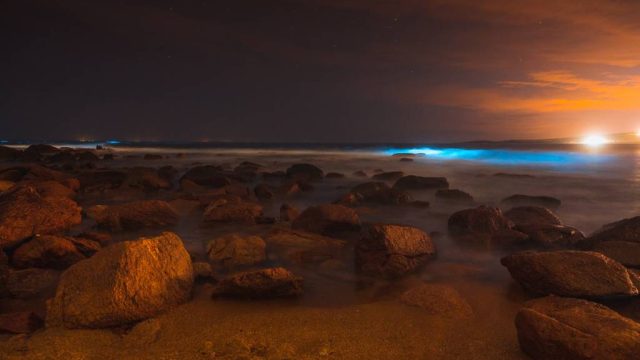
Understanding what Puerto Rico means changes how you experience the island’s natural wonders. When you kayak through a mangrove lagoon (a coastal ecosystem where salt-tolerant trees create nursery habitat for marine life), you’re paddling through the same waters Taíno fishermen once depended on for survival. When you swim in a bioluminescent bay and watch dinoflagellates (microscopic organisms that emit light when disturbed) glow around your hands, you’re witnessing one of the phenomena that made this island’s marine biodiversity legendary long before tourism existed.
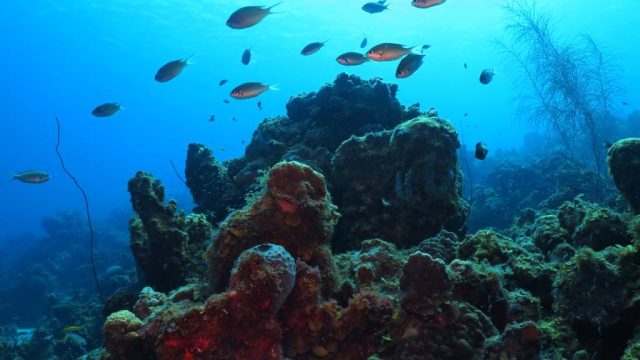
The coral reef habitats surrounding Puerto Rico support endemic species — plants and animals found nowhere else on Earth — that have thrived because generations of islanders understood the value of protecting fragile ecosystems. That conservation mindset isn’t new; it’s woven into the island’s history alongside its Taíno, Spanish, and African roots.
Book Your Puerto Rico Adventure
Now that you know what Puerto Rico means — a rich port shaped by Taíno resilience, Spanish ambition, and African heritage — you’re ready to experience it firsthand. Pure Adventure invites you to explore the bioluminescent bays, karst caves, and coral reefs that make this island unlike anywhere else in the Caribbean. Book your excursion with Pure Adventure today and discover the meaning of Puerto Rico for yourself, one paddle stroke at a time.