TL;DR: A smart Puerto Rico Travel guide helps first-time visitors understand the island’s regions, plan practical logistics, and make time for the beaches, food, rainforest, reefs, Vieques, and Culebra.
- First-time visitors should plan beyond San Juan because Puerto Rico has five regions and two inhabited offshore islands.
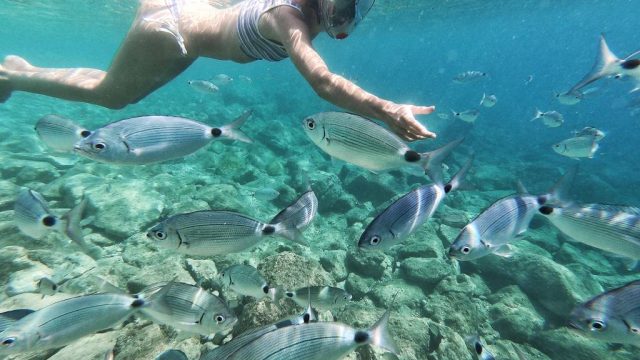
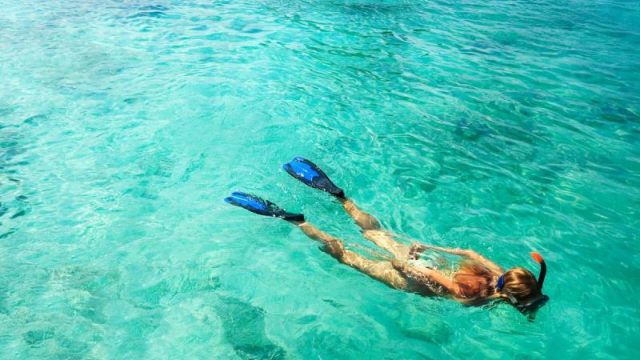
- Vieques and Culebra offer some of the island’s clearest water, protected reefs, and strongest snorkeling experiences.
- Renting a car is strongly recommended outside San Juan because public transportation runs on irregular schedules.
- U.S. citizens do not need a passport to visit Puerto Rico.
You’ve booked the flight. You’re staring at a map of an island you’ve only half-understood until now, wondering where to actually start. Puerto Rico spans five distinct regions, two inhabited offshore islands, a tropical rainforest, and bioluminescent bays. Your first visit needs a real plan.
This Puerto Rico travel guide is built for exactly where you are right now.
Why Puerto Rico Feels Overwhelming at First
Most first-timers land at Luis Muñoz Marín International Airport in San Juan and immediately face a choice: stay in the capital or venture out? The honest answer is you need both.
Puerto Rico packs 110 miles of east-to-west terrain into a single island. You have rainforests, karst mountains, bioluminescent bays, and offshore islands — all within reach of each other. Knowing the regions before you arrive saves you days of backtracking.
Getting Your Bearings: Puerto Rico’s Five Regions
The North: San Juan and History
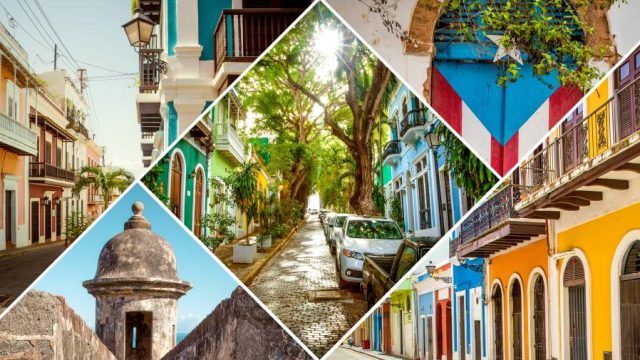
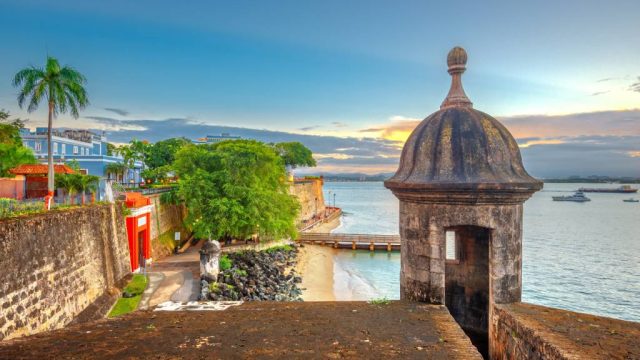
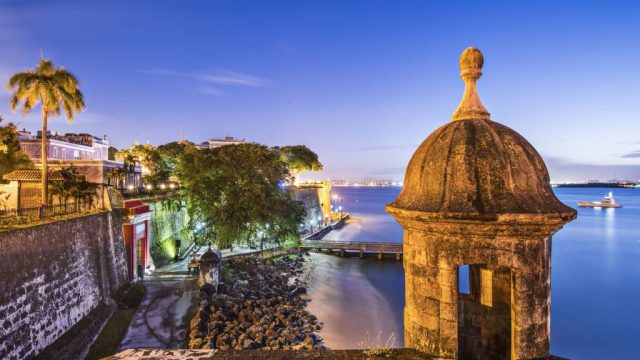
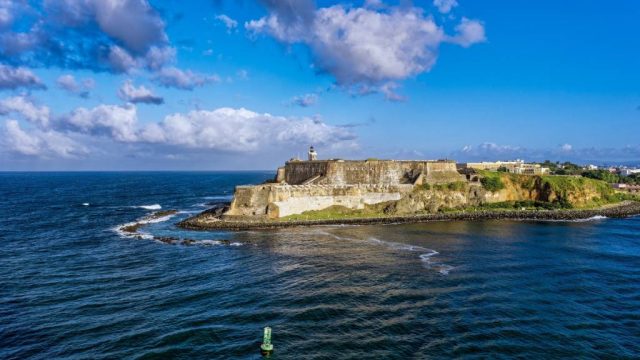
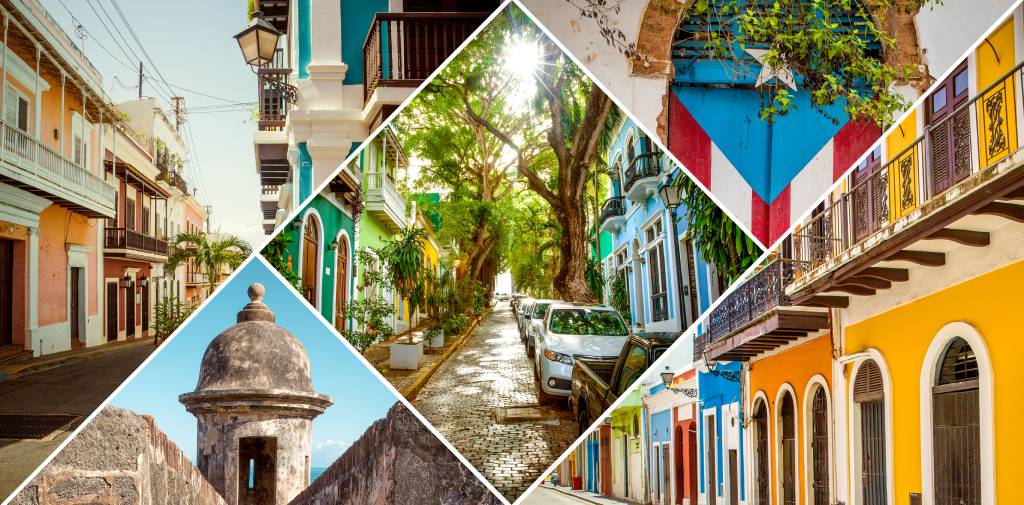
Start your trip in San Juan. The Histórica de San Juan, better known as Old San Juan, is a 500-year-old walled city built on a peninsula above the Atlantic. The blue cobblestone streets of Calle del Cristo and the fort walls of El Morro are not optional detours — they are the island’s cultural heartbeat.
A San Juan Puerto Rico travel guide would be incomplete without Condado Beach. It sits minutes from Old San Juan and gives you your first taste of the warm, clear Caribbean.
The East: Your Gateway to the Island’s Wild Side
Fajardo, on the island’s northeastern tip, is where Puerto Rico’s adventure tourism lives. The Corredor Ecológico del Noreste, a protected coastal reserve just north of town, shelters nesting leatherback turtles during spring.
The eastern region also holds El Yunque, the only tropical rainforest in the U.S. National Forest System. Plan at least half a day for El Yunque’s trails. The canopy here receives over 100 billion gallons of rainfall annually, and by it closes overhead fast enough that your eyes need a full minute to adjust from open sky to filtered green.
The South: Puerto Rico Without the Crowds
Ponce is the island’s second city and the most underrated stop for first-timers. The Parque de Bombas, an 1882 exhibition pavilion converted into Puerto Rico’s first official firehouse, sits in Plaza de las Delicias painted in its signature red and black bands.
The southern coast runs drier and hotter than the north. It rewards travelers who want empty beaches and fresh pescado frito (fried fish) from local roadside vendors; the casual open-air food stands the island is famous for.
The West: Surf Culture and Sunset Coasts
Rincón is where Puerto Rico’s surf culture lives. The reef breaks here draw serious surfers from October through March. Even if you don’t surf, Rincón’s sunset strip is one of the most social evenings you’ll have in Puerto Rico.https://pureadventurepr.com/discover-puerto-rico/
Cabo Rojo’s Salinas salt flats turn pink at golden hour due to algae and brine shrimp. It’s a 20-minute drive from Boquerón Beach, one of the calmest swimming bays on the island.
The Central Mountains: The Puerto Rico Visitors Miss
The Cordillera Central climbs above 4,390 feet at Cerro Punta. Most tourists skip this interior entirely, which means you’ll share coffee plantation roads and forest reserves with almost no one. The town of Jayuya hosts indigenous Taíno ceremonial sites, a heritage that predates Columbus’s 1493 arrival on this island by centuries
The Offshore Islands: Vieques and Culebra
This is where a travel guide Puerto Rico first-timers actually need becomes essential. Most visitors don’t realize Puerto Rico includes inhabited islands east of the main island, and skipping them is the single biggest mistake a first-timer makes.
Vieques: The Island Time Couldn’t Touch
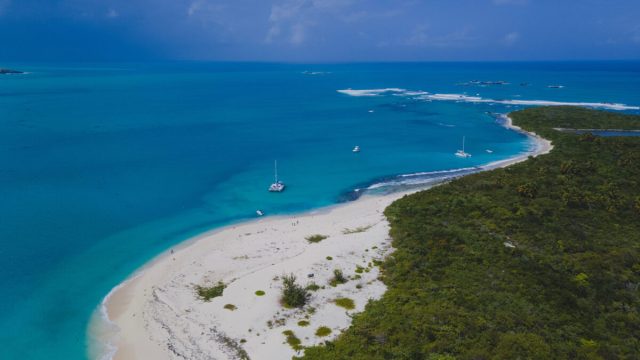
A Vieques Puerto Rico travel guide begins with context. For over 60 years, the U.S. Navy controlled most of Vieques for military testing. That history is the reason its reefs are intact today. When the Navy departed, the U.S. Fish and Wildlife Service absorbed the land into a federal wildlife refuge.
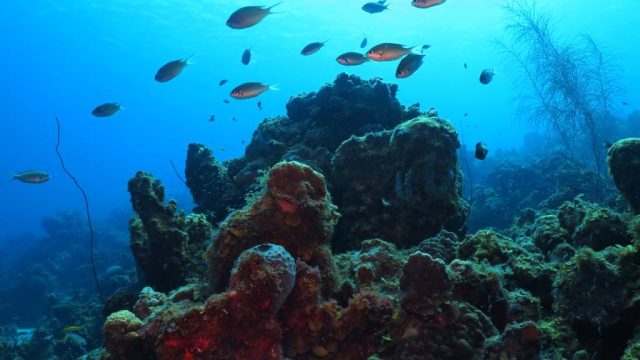
The result is extraordinary. Coral formations that see limited visitor pressure support hawksbill turtles, eagle rays, and dense schools of parrotfish and angelfish. The beaches inside the refuge, like Blue Beach and Green Beach, have no development behind them — just protected shoreline meeting sea.
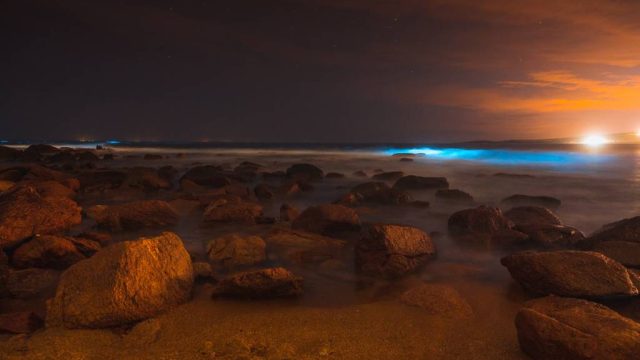
Vieques is also home to Mosquito Bay. The single-celled dinoflagellates that light up the water are only that concentrated here because the bay’s narrow mouth limits water exchange. You paddle out at night and every stroke glows.
Culebra: Flamenco Beach and Living Reefs
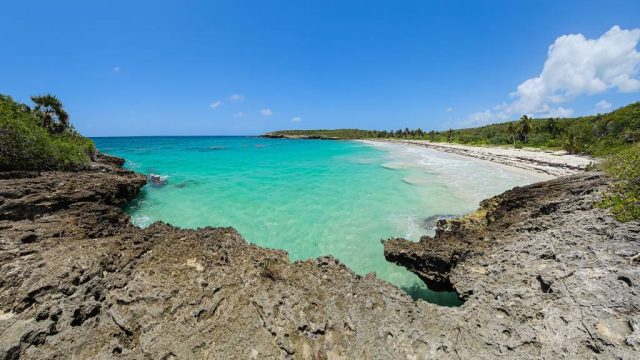
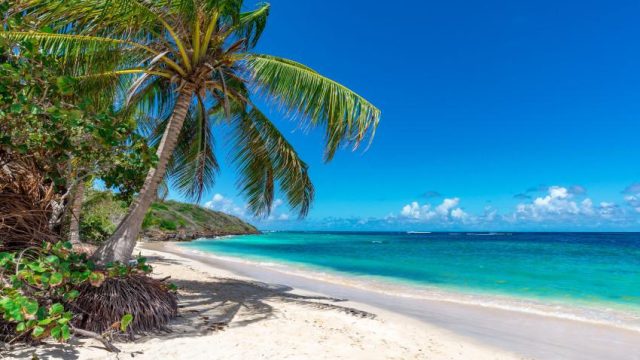
A Culebra Puerto Rico travel guide starts with Flamenco Beach. It consistently ranks among the top beaches in the entire Caribbean. The crescent of white sand backed by green hills looks exactly like what your mind invented when you first thought “Caribbean island.”
Most of Culebra’s land is protected as a national wildlife refuge. Tamarindo Beach, on the island’s south side, sits above a living reef where hawksbill sea turtles nest onshore and graze in the seagrass beds offshore.
Practical First-Timer Information
Getting Around
US citizens don’t need a passport for Puerto Rico — it’s a US territory. You travel between San Juan and the offshore islands by ferry from Ceiba, or by small aircraft from regional airports in Ceiba and San Juan.
Renting a car is strongly recommended outside San Juan. Publicos, shared van taxis, connect towns but run on irregular schedules that don’t suit limited itinerary windows.
When to Go
The dry season runs May through August. The high tourism season mirrors this window. If you want fewer crowds, September through mid-December works well — just monitor Atlantic storm systems from August onward.
What to Know About the Water
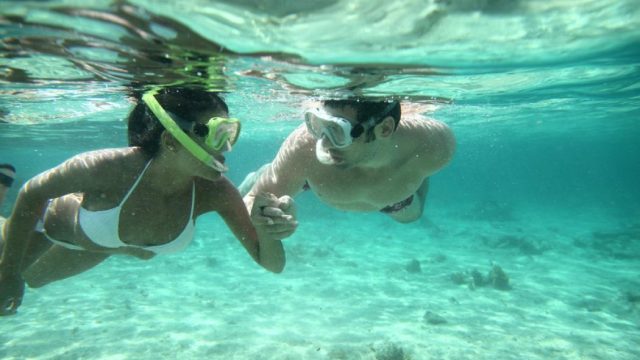
Puerto Rico’s best snorkeling and diving happens on the east coast and the offshore islands, not on the beaches directly adjacent to San Juan. River runoff and boat traffic cloud the north shore near the capital. The protected waters around Vieques and Culebra remain clear year-round precisely because boat traffic is limited and no rivers drain into the reefs.
Eating Like a Local
Mofongo is fried green plantain mashed in a pilón with garlic and chicharrón, served with your choice of meat, seafood, or broth, and no two versions are identical. For the best casual eating, follow the lechoneras on Route 184 through Guavate in Cayey on a weekend — locals cook lechón asado (whole roasted pig) over wood fires starting at sunrise.
The Best Puerto Rico Travel Guide Ends Where the Reef Begins
A Puerto Rico travel guide that doesn’t point you toward the water hasn’t done its job. The island’s most irreplaceable experiences are underwater — and Vieques delivers those experiences in a setting that mainland beach destinations simply cannot replicate.
You’ve read the guide. Now make the trip count.
Book your spot on the Vieques Island Snorkel Beach Tour with Pure Adventure.
Marine biologist guides depart daily from Roosevelt Roads Marina in Ceiba. The four-hour trip runs directly into a protected federal wildlife refuge where hawksbill turtles feed on reef grass and eagle rays pass beneath the boat.
Equipment, expert eco-interpretation, fresh fruit, and snacks are all included. Morning and afternoon departures run daily. Adults from $120. Children age 6–12 from $90.
Don’t just visit Puerto Rico. Live it.