TL;DR: Puerto Rico is known for wild nature, living history, bold food, and adventures that go far beyond the beach.
- Puerto Rico is known for beaches, but its rainforests, caves, reefs, mangroves, and bioluminescent bays make it far more diverse than a resort destination.
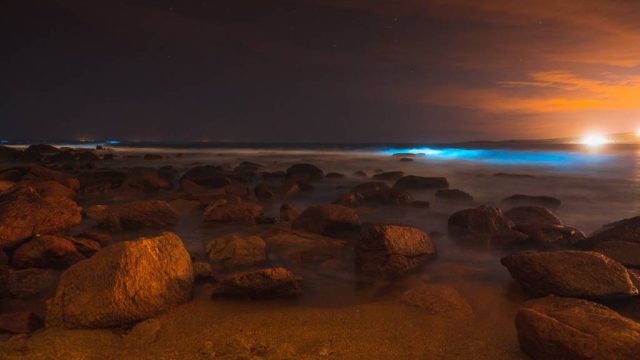
- The island has three bioluminescent sites, including Mosquito Bay in Vieques, Laguna Grande in Fajardo, and La Parguera in Lajas.
- Puerto Rican food blends Taíno, West African, and Spanish influences through dishes like mofongo, arroz con gandules, pernil, lechón, and rum.
- El Yunque is the only tropical rainforest in the U.S. National Forest System and is home to the coquí and the endangered Puerto Rican parrot.
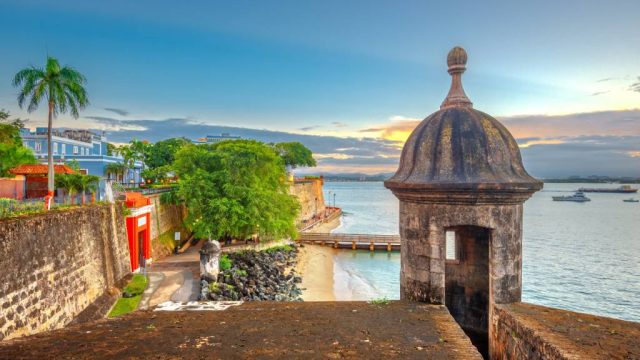
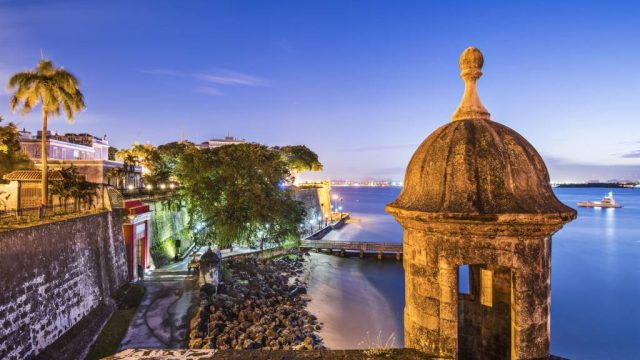
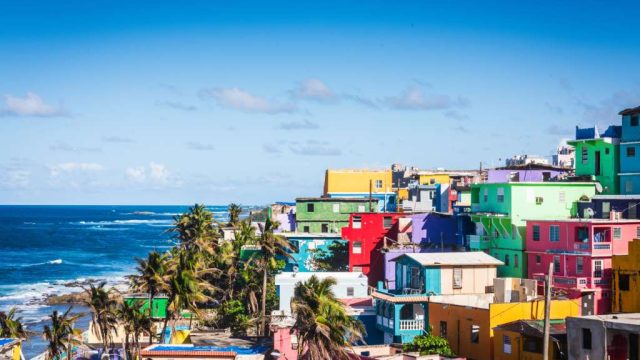
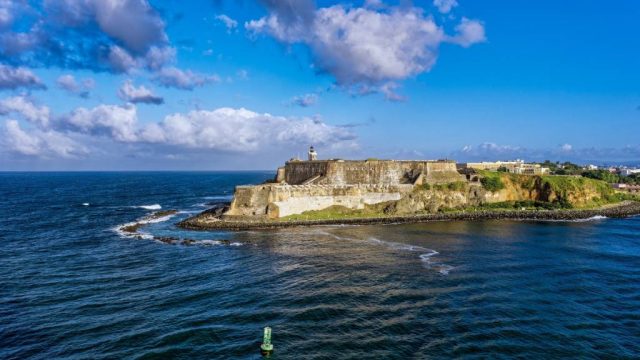
- Old San Juan shows Puerto Rico’s cultural history through Spanish forts, blue cobblestone streets, and a 500-year-old walled city.
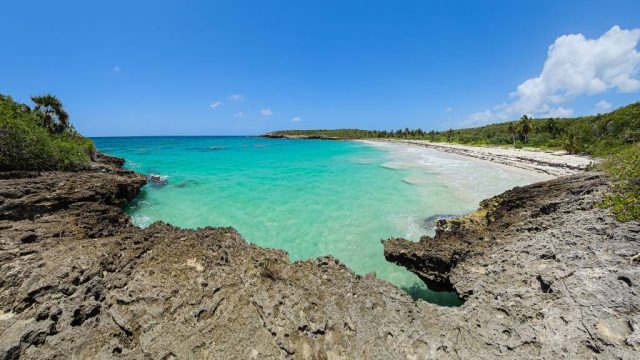
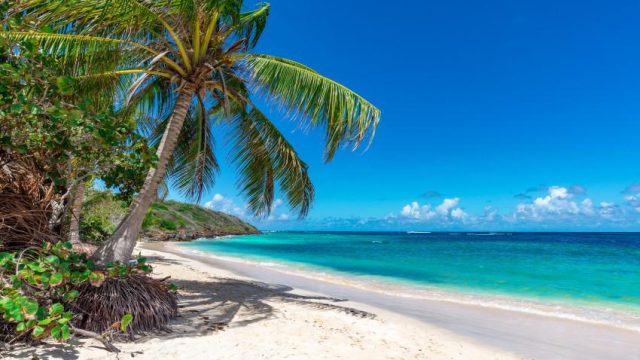
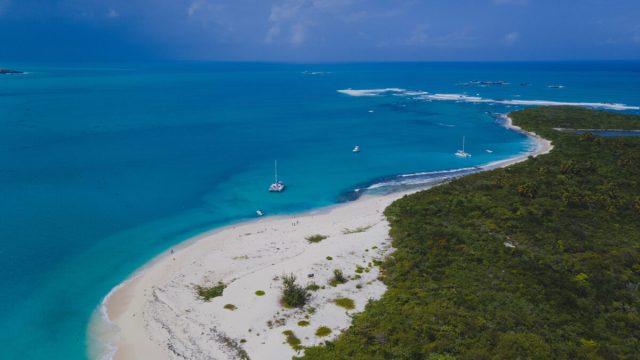
You’ve seen the resort brochures. You’ve scrolled past the same turquoise water stock photos. And you’re starting to wonder if there’s something more to Puerto Rico than a beach chair and a piña colada.
There is, and it’s extraordinary.
Puerto Rico is known for postcard beaches, yes. But beneath the surface, and deep in its forests and caves, lies one of the most biologically diverse destinations in the entire Caribbean. This island punches far above its weight in natural wonders, cultural richness, and adventure experiences you simply cannot find anywhere else.

The Ecosystems That Make Puerto Rico Extraordinary
Puerto Rico sits at a geographic crossroads that creates remarkable ecological variety. Across just 3,515 square miles, you’ll find tropical rainforest, karst topography, mangrove lagoons, coral reef habitats, and some of the world’s rarest bioluminescent bays.
Karst topography — a landscape shaped by dissolved limestone into sinkholes, caves, and haystack hills — covers Puerto Rico’s northern interior. This geology created the Río Camuy Cave Park, one of the largest cave systems in the Western Hemisphere. These aren’t tourist traps. They’re living geological records millions of years in the making.
Bioluminescent Bays: A Phenomenon Found Almost Nowhere Else
Bioluminescence occurs when microscopic organisms called dinoflagellates emit light in response to movement. Puerto Rico hosts three of the world’s few documented bioluminescent sites — Mosquito Bay in Vieques, Laguna Grande (a lagoon) in Fajardo, and La Parguera in Lajas. Kayaking through water that glows electric blue beneath your paddle is not a metaphor. It’s marine biology you experience with your entire body.
Coral Reefs and Marine Biodiversity
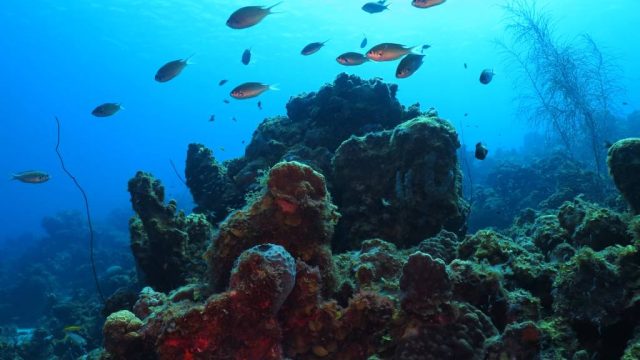
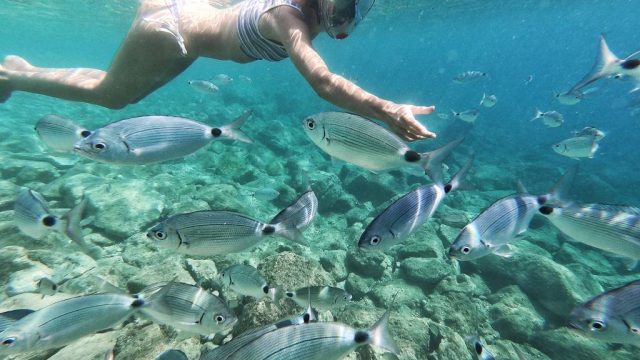
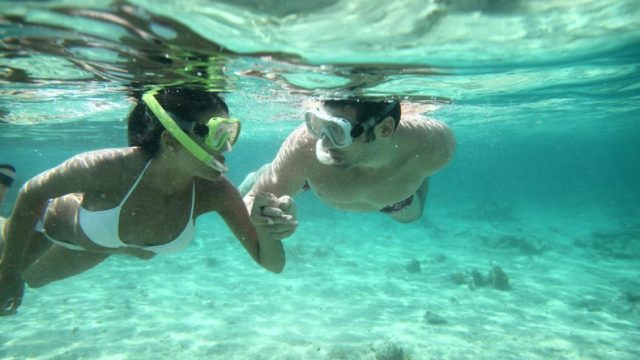
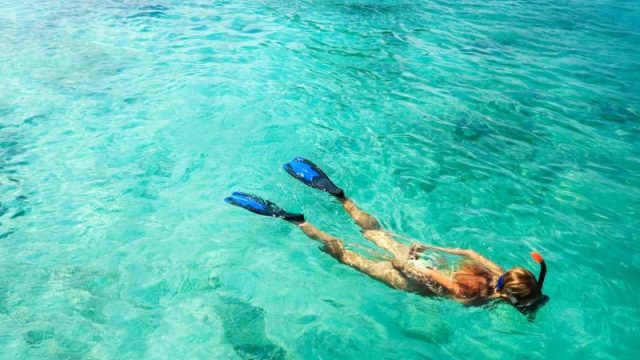
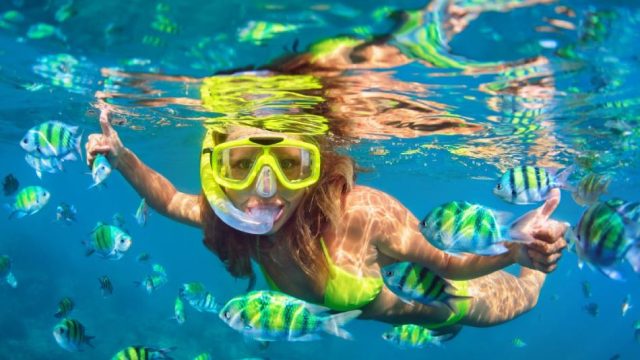
Puerto Rico’s coral reef systems support over 500 species of marine life. The reefs off Culebra, La Parguera, and the southwest coast rank among the healthiest in the Caribbean. Snorkeling or diving here means navigating genuine reef habitats — not degraded rubble.
Flamenco Beach in Culebra consistently earns recognition as one of the best beaches in the world. But the real draw is what lives just offshore: parrotfish, eagle rays, hawksbill sea turtles, and reef ecosystems that reward patience and respect.
What Food Is Puerto Rico Known For?
Puerto Rican cuisine is one of the things Puerto Rico is known for globally — and it’s deeply rooted in the island’s geography and history. The culinary tradition blends Taíno indigenous techniques, West African influences, and Spanish colonial ingredients into a flavor profile entirely its own.
Sofrito — a raw blended mix of recao, ají dulce peppers, garlic, onion, and sweet peppers — functions as the aromatic flavor base for most traditional dishes. You’ll find it in arroz con gandules (rice with pigeon peas), pernil (slow-roasted pork), and mofongo, a dish of fried green plantains mashed with garlic and chicharrón (pork cracklings) in a wooden mortar, often served with fresh seafood or broth.
Lechón and the Guavate Corridor
The mountain barrio of Guavate, in the town of Cayey, sits along Road 184 off Highway 52 and transforms every weekend into Puerto Rico’s most famous open-air food corridor. Whole pigs are slow-roasted on an open rotisserie spit — called a la varita — over wood fires fueled by leña for six to eight hours. The result — crispy skin, smoky meat, and a cultural ritual — draws visitors from San Juan and abroad.
Eating lechón in Guavate isn’t a restaurant experience. It’s a community gathering embedded in Puerto Rican identity. Combine it with an afternoon drive through the Toro Negro State Forest nearby, and you’ve built a genuinely authentic day in Puerto Rico’s mountain interior.
Rum and the Sugarcane Legacy
Products Puerto Rico is known for internationally include rum, and for good reason. Puerto Rico produces approximately 70% of the rum sold in the United States. The island’s sugarcane history shaped its economy for centuries, and that legacy lives in every distillery tour you can book today.
The Casa Bacardí distillery in Cataño offers an immersive history alongside tastings. The Don Q distillery in Ponce tells a different story of family-owned production rooted in southern Puerto Rico’s agricultural identity.
El Yunque: The Only Tropical Rainforest in the U.S. National Forest System
El Yunque National Forest receives over 100 billion gallons of rainfall annually. That rainfall feeds 240 tree species, 50 species of orchids, and the Amazona vittata — the Puerto Rican parrot, endemic to this forest — with only a few hundred wild individuals remaining despite decades of captive-breeding recovery efforts carried out inside El Yunque itself.
Hiking here isn’t casual trail-walking. The forest operates as a complex, layered ecosystem with distinct canopy zones. You’ll cross rivers, hear the iconic coquí frog calling from the understory, and reach peaks where cloud forest conditions replace humid lowland air entirely.
The Coquí: Puerto Rico’s Acoustic Identity
The coquí (Eleutherodactylus coqui) is endemic to Puerto Rico — meaning it exists naturally nowhere else on Earth. Its two-note call, “co-KEE,” begins at dusk and continues through the night across almost every elevation on the island. Locals measure the island’s health, in part, by the presence of this frog’s song.
This isn’t a novelty. The coquí is a keystone species in Puerto Rico’s forest ecosystem, controlling insect populations and serving as prey for larger fauna. Hearing it on your first night here is a geographic orientation that no guidebook can fully prepare you for.
Old San Juan: Culture Built into the Walls
What Puerto Rico is known for culturally begins with Old San Juan — a 500-year-old walled city with 16th-century Spanish fortifications overlooking the Atlantic. El Morro and San Cristóbal are not museums in the conventional sense. They are active historical landscapes where the Atlantic wind makes the past feel immediate.
The city’s blue cobblestones — called adoquines, cast from iron furnace slag and brought over as ship ballast from Spain — are not decorative. They’re original infrastructure. Walking them at dawn, before the cruise ship crowds arrive, gives you a version of Old San Juan that belongs entirely to the island’s residents.
Planning Your Puerto Rico Adventure
What is Puerto Rico known for at its deepest level? Not any single beach or landmark. The island is known for layered ecological complexity and a cultural identity forged between ocean, mountain, and history.
Your trip deserves more than a single ecosystem. Pair a bioluminescent bay kayak tour with a morning in El Yunque. Add a day snorkeling in Culebra’s reef habitat.
Eat lechón in Guavate. Walk Old San Juan before sunrise. Puerto Rico rewards travelers who move through it with curiosity rather than a checklist.
You didn’t come this far to stay on the beach. Book your snorkel tour with Pure Adventure because the coral reef is 20 feet down and worth every second.